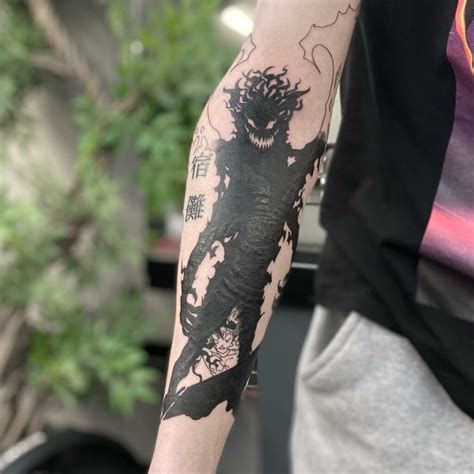
I’ll create a blog post about Shogun Tattoo following the specified guidelines:
The art of Shogun tattoo represents a profound journey through Japanese cultural history, blending intricate design with deep symbolic meaning. Originating from the rich traditions of Japan’s feudal era, these tattoos are more than mere body art – they are powerful narratives etched into skin, telling stories of warrior culture, spiritual beliefs, and personal transformation.
Historical Roots of Shogun Tattoo Artistry
The Shogun tattoo tradition emerged during a complex period of Japanese history, deeply intertwined with the samurai culture and social hierarchies of the Edo period. Unlike modern tattoo practices, these intricate designs were originally associated with social stigma and criminal underworlds, particularly among the bakuto (gamblers) and yakuza members.
| Tattoo Element | Symbolic Meaning | Cultural Significance |
|---|---|---|
| Koi Fish | Perseverance and Strength | Represents overcoming life's challenges |
| Dragon | Power and Wisdom | Connected to spiritual and mythological beliefs |
| Samurai Warrior | Honor and Discipline | Embodies bushido code of conduct |
Techniques and Design Principles
Traditional Shogun tattoo techniques are characterized by their meticulous approach and distinctive stylistic elements. Artists typically employ methods that require extraordinary patience and skill:
- Hand-poked technique (Tebori): A traditional method using hand-held tools instead of modern tattoo machines
- Intricate color work: Utilizing a rich palette of deep blues, vibrant reds, and subtle earth tones
- Full-body coverage: Often creating elaborate narratives that extend from shoulders to legs
Symbolism and Cultural Significance
Each Shogun tattoo carries profound symbolic weight, representing more than aesthetic beauty. These designs often incorporate elements that speak to personal philosophy, spiritual beliefs, and cultural identity.
🖋️ Note: Authentic Shogun tattoos require deep understanding of Japanese cultural symbolism and artistic traditions.
Modern Interpretations and Global Influence
Contemporary tattoo artists worldwide have been increasingly inspired by the Shogun tattoo tradition, adapting its principles to create stunning, culturally respectful designs. While maintaining traditional elements, modern interpretations often blend contemporary artistic techniques with classical Japanese motifs.
The enduring legacy of Shogun tattoos continues to captivate artists and enthusiasts, serving as a testament to the profound storytelling potential of body art. These intricate designs bridge historical narratives with personal expression, creating living canvases that honor centuries of cultural tradition.
What makes Shogun tattoos unique?
+
Shogun tattoos are unique due to their deep cultural significance, intricate design principles, and connection to Japanese historical narratives.
Are traditional Shogun tattoos painful?
+
Traditional Tebori techniques are typically more painful and time-consuming compared to modern tattoo methods, often requiring multiple sessions.
Can anyone get a Shogun-style tattoo?
+
While anyone can appreciate the art, it’s crucial to approach Shogun tattoos with cultural respect and understanding of their deep symbolic meanings.