
I’ll create a blog post about cover-up tattoos on the forearm following the specified guidelines:
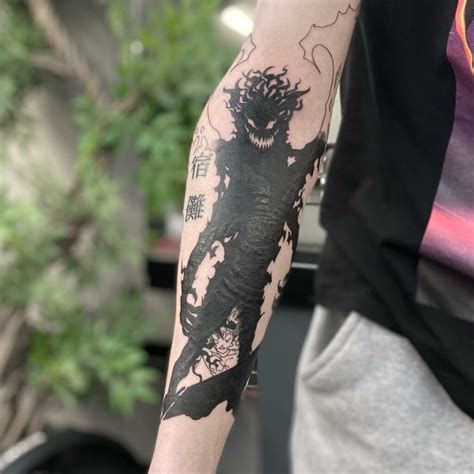
Tattoo cover-ups have become an increasingly popular solution for individuals looking to transform or conceal existing ink that no longer reflects their personal style or aesthetic preferences. The forearm, with its visible and prominent location, presents both unique challenges and exciting opportunities for tattoo artists to work their creative magic. Whether you’re dealing with an outdated design, a poorly executed tattoo, or simply seeking a fresh artistic expression, cover-up tattoos offer a transformative approach to personal body art.
Understanding Tattoo Cover-Up Techniques
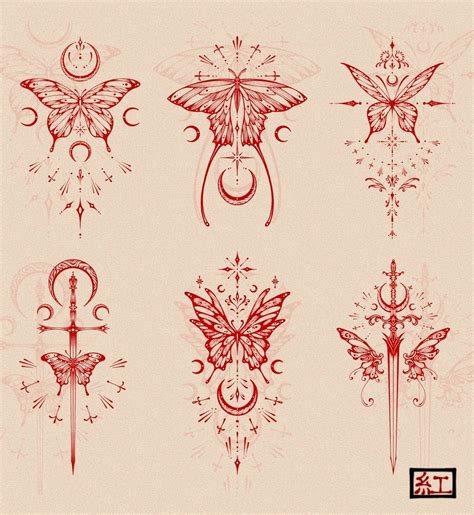
Covering up an existing tattoo is far more complex than creating a new piece of body art. Successful cover-ups require expert skill, strategic design, and a deep understanding of how ink interacts with skin. The process involves several critical considerations:
- Original Tattoo Characteristics: Color, density, and age of the existing tattoo
- Skin Tone and Texture: Ensuring the new design blends seamlessly
- Design Complexity: Creating a new artwork that effectively masks the original tattoo
Choosing the Right Design for Forearm Cover-Ups
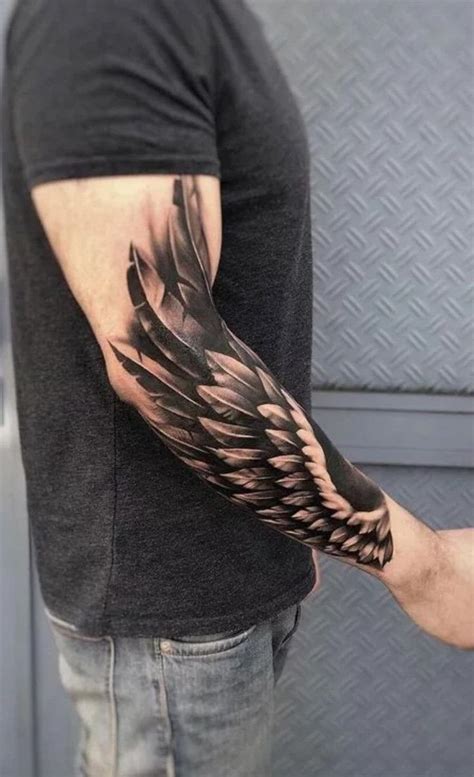
When considering a cover-up tattoo on the forearm, artists typically recommend designs that can effectively camouflage the existing ink. Some of the most successful approaches include:
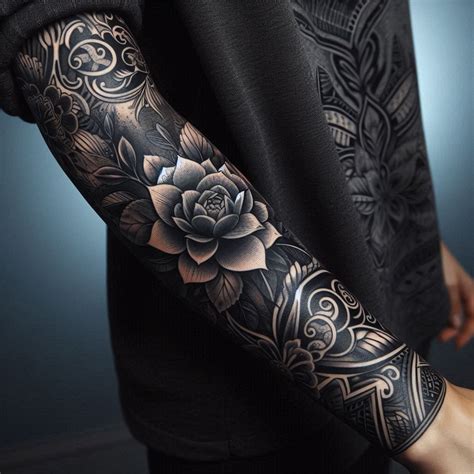
- Dark, Bold Designs: Utilizing darker ink colors to mask previous tattoos
- Intricate Patterns: Incorporating complex designs that break up existing lines
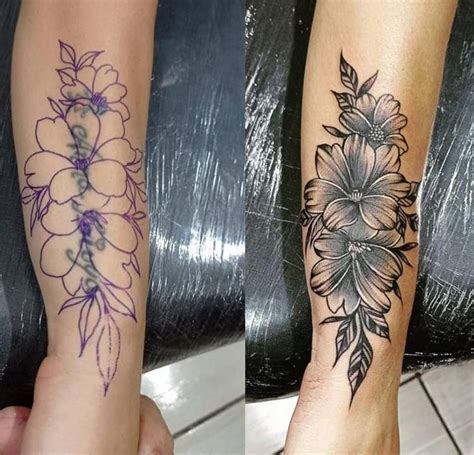
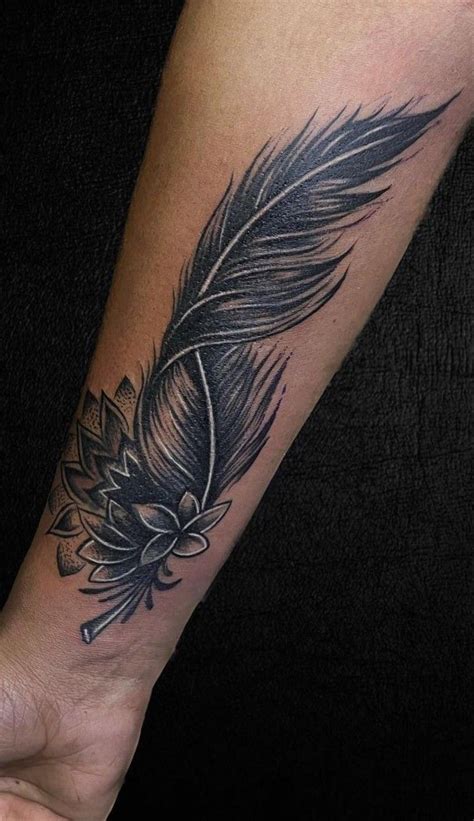
- Nature-Inspired Artwork: Botanical or organic designs that naturally obscure previous tattoos
Technical Considerations for Forearm Cover-Ups
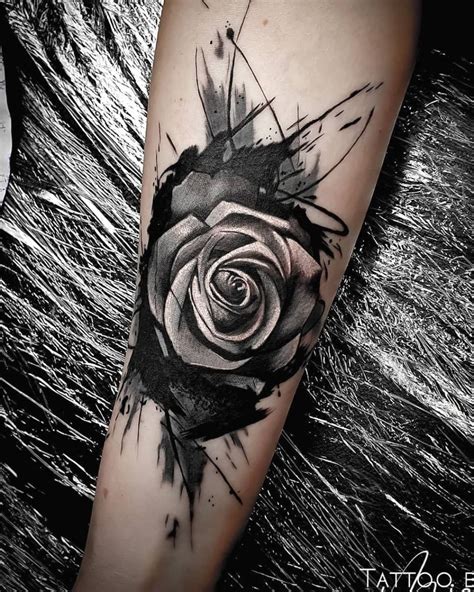
The forearm presents unique challenges for tattoo cover-ups due to its visibility and the nature of skin movement. Professional tattoo artists employ several advanced techniques to ensure optimal results:
- Multiple Session Approach
- Strategic Color Layering
- Careful Placement and Design Modification
Color and Ink Selection
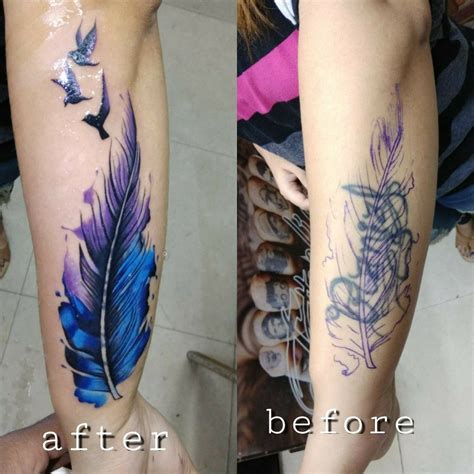
Selecting the right colors is crucial in creating an effective cover-up. Darker shades like deep blues, blacks, and rich greens are often most effective in concealing previous tattoos. The goal is to create a design that completely transforms the original artwork while maintaining aesthetic appeal.
🎨 Note: Always consult with a professional tattoo artist who specializes in cover-up work for personalized advice.
The journey of transforming an existing forearm tattoo is both an artistic and personal experience. It requires patience, creativity, and collaboration between the client and the tattoo artist to achieve a truly remarkable result.
How painful are forearm cover-up tattoos?
+
Forearm cover-up tattoos typically have moderate pain levels, similar to original tattoos. The pain can vary depending on individual pain tolerance and the complexity of the design.
How long does a cover-up tattoo take?
+
Cover-up tattoos often require multiple sessions, typically ranging from 2-4 appointments, depending on the original tattoo’s complexity and the new design’s intricacy.
Are cover-up tattoos more expensive?
+
Cover-up tattoos are generally more expensive due to the additional time, skill, and complexity required to effectively conceal the original artwork.