
I’ll create a long-form blog post about Japanese back tattoos following the specified guidelines:
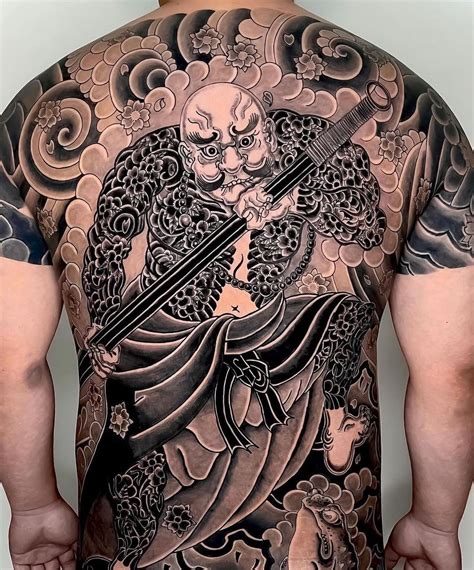
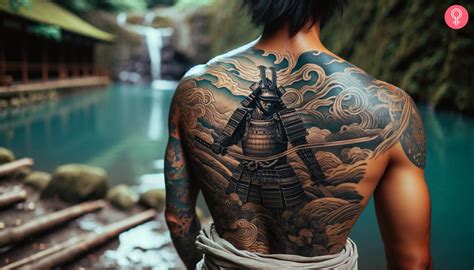
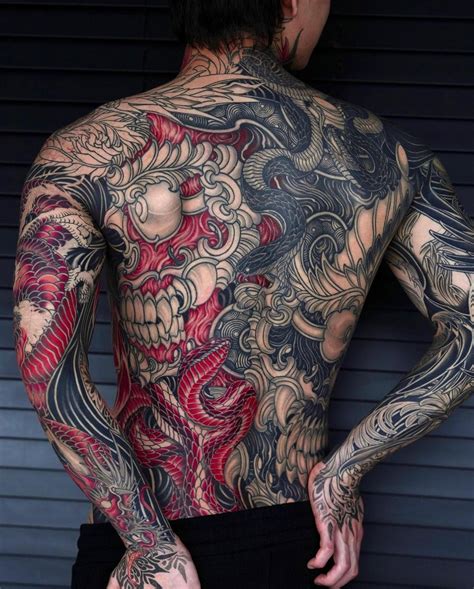
Japanese back tattoos represent a profound art form that transcends mere body decoration, embodying centuries of cultural significance, intricate symbolism, and masterful artistic expression. These full-back tattoos, known as irezumi in traditional Japanese terminology, have evolved from a complex historical narrative to become a globally respected art form that captures the imagination of tattoo enthusiasts worldwide.
The Rich Cultural Heritage of Japanese Back Tattoos
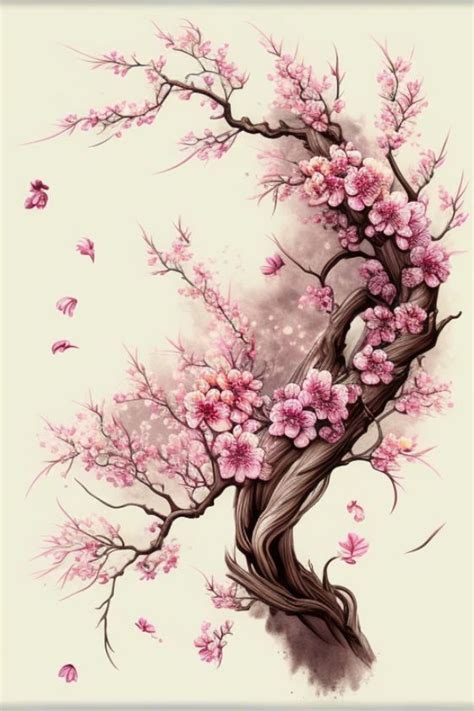
The tradition of Japanese back tattoos dates back to the Edo period (1603-1868), where they were initially associated with firemen, laborers, and members of the yakuza subculture. Unlike Western tattoo practices, Japanese back tattoos were not merely decorative but carried deep symbolic meanings:
- Represented personal stories and spiritual beliefs
- Demonstrated individual strength and resilience
- Showcased intricate mythological and natural imagery
Iconic Designs in Japanese Back Tattoo Art
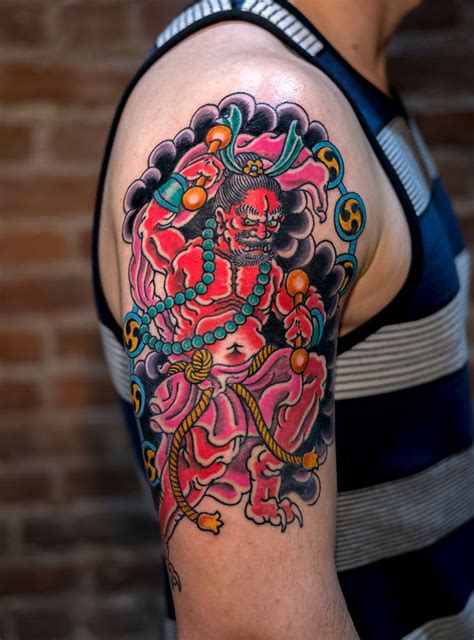
Traditional Japanese back tattoos often feature elaborate mythological creatures and natural elements that tell a complex visual narrative. Some of the most prominent designs include:
| Design | Symbolic Meaning |
|---|---|
| Dragon | Power, wisdom, and protection |
| Koi Fish | Perseverance and transformation |
| Phoenix | Rebirth and supernatural strength |
Technical Mastery of Japanese Back Tattoo Techniques
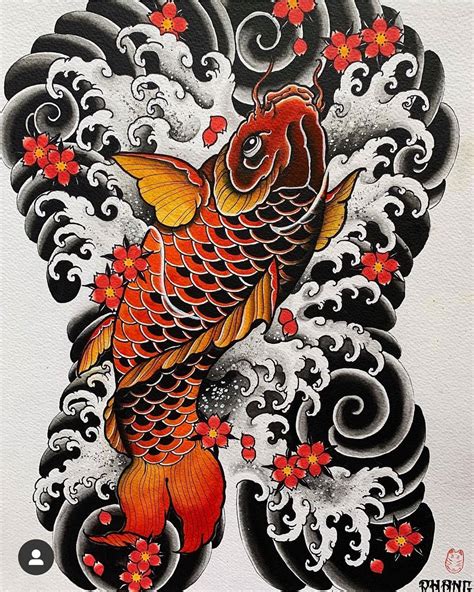
The traditional Japanese tattooing technique, known as tebori, involves hand-poking ink into the skin. This meticulous process requires exceptional skill and can take multiple sessions to complete a full back tattoo. Modern tattoo artists have adapted these techniques while preserving the artistic integrity of the original method.
Color and Composition Principles
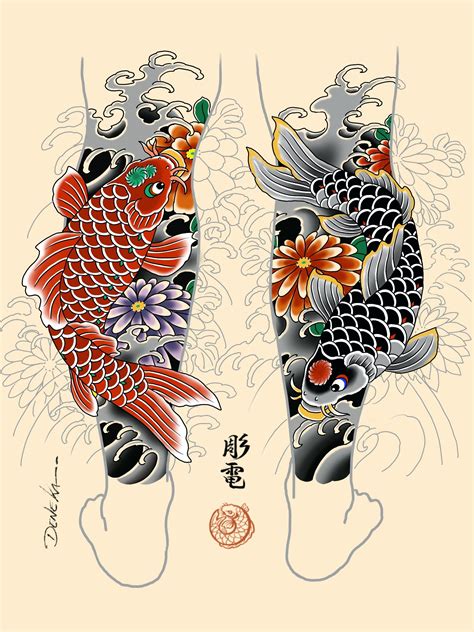
Japanese back tattoos are renowned for their distinctive color palette and compositional approach:
- Vibrant yet harmonious color schemes
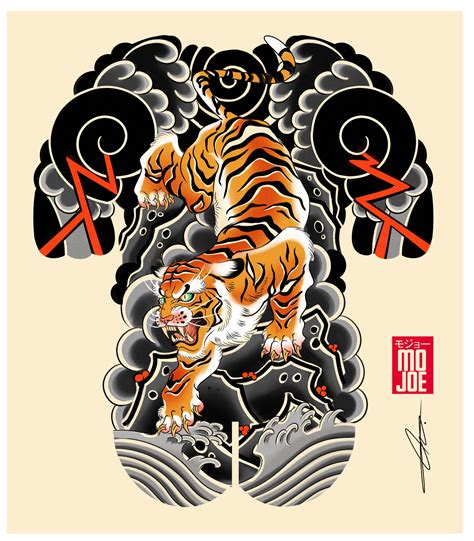
- Intricate background of waves, clouds, or wind bars
- Balanced negative and positive space
🖌️ Note: Always consult an experienced Japanese tattoo artist specializing in traditional irezumi techniques for authentic design and execution.
Contemporary Significance of Japanese Back Tattoos
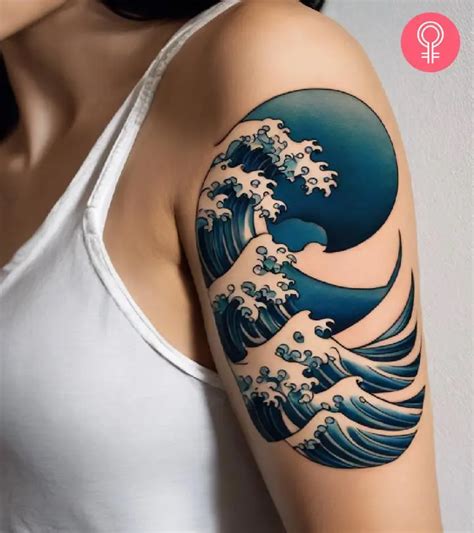
In the modern era, Japanese back tattoos have transcended their historical stigma to become a respected art form. International tattoo enthusiasts and artists now celebrate the intricate designs, philosophical depth, and visual storytelling inherent in these magnificent body art pieces.
The journey of Japanese back tattoos reflects a remarkable transformation from marginalized practice to globally recognized artistic expression. What was once considered taboo has now become a profound medium of personal storytelling, cultural appreciation, and artistic excellence.
How long does a full back Japanese tattoo take?
+
A complete Japanese back tattoo can take 20-80 hours spread across multiple sessions, depending on the complexity of the design and the artist’s technique.
Are Japanese back tattoos painful?
+
Back tattoos can be moderately to highly painful, with pain levels varying based on individual pain tolerance and specific body areas being tattooed.
What is the cultural significance of these tattoos?
+
Japanese back tattoos traditionally represented personal narratives, spiritual beliefs, and social status, evolving from markers of subcultures to respected artistic expressions.