
The concept of Multi Layer Tissue describes engineered or natural tissues comprised of several distinct layers, each with specific roles. By designing each layer with tailored materials, stiffness, porosity, and signaling cues, researchers aim to reproduce the function and integration of native tissue. This article explains what Multi Layer Tissue is, how it is designed, and why it matters for regenerative medicine and biomaterials.
Key Points
- Layered design aligns mechanical properties with the function of each tissue zone in Multi Layer Tissue.
- Interlayer signaling and diffusion gradients guide cell fate and tissue maturation across the stack.
- Interfaces between layers are crucial for bonding, load transfer, and long-term stability in Multi Layer Tissue.
- Fabrication methods like electrospinning and 3D bioprinting enable independent control of each layer’s thickness and porosity.
- Clinical translation depends on scalable production, consistent quality, and biocompatibility of the complete Multi Layer Tissue.
Understanding Multi Layer Tissue Design
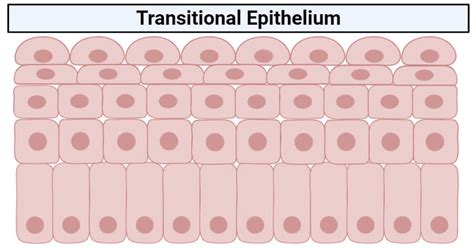
In Multi Layer Tissue design, each layer can be engineered to mimic a particular zone of native tissue. An outer protective layer may provide durability, a middle supportive layer offers mechanical strength, and an inner permeable layer supports nutrient transport and vascularization. This stratified approach enables functional performance that single-layer constructs often cannot achieve.
Key design goals
Multi Layer Tissue projects prioritize matching stiffness, permeability, and biochemical signals across layers. Achieving smooth interfacial bonding reduces delamination, while graded properties resist fatigue under physiological loads.
Manufacturing and Material Options
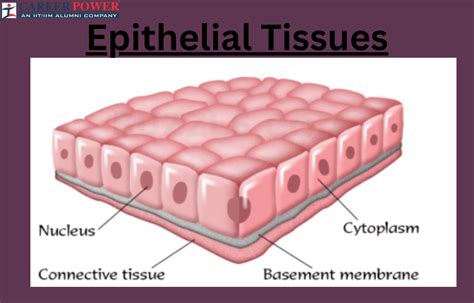
Manufacturers use a variety of techniques to realize Multi Layer Tissue. Layer-by-layer deposition, electrospinning, and bioprinting allow precise control of layer thickness, fiber orientation, and cell content. Material choices range from natural polymers like collagen to synthetic hydrogels and biodegradable ceramics, selected to suit the function of each layer.
Applications and Benefits
Multi Layer Tissue design has broad applications, including skin substitutes with an epidermal outer layer and a dermal inner layer, corneal patches with transparency requirements, and vascular grafts that combine endothelial and stromal components. The layered approach enables graded diffusion, improved integration, and enhanced overall performance compared to single-layer constructs.
What defines Multi Layer Tissue in regenerative contexts?
+It is a tissue construct composed of multiple layers, each with distinct mechanical, chemical, and cellular characteristics designed to work together to perform a native-like function.
  <div class="faq-item">
      <div class="faq-question">
          <h3>How is Multi Layer Tissue manufactured?</h3>
          <span class="faq-toggle">+</span>
      </div>
      <div class="faq-answer">
          <p>Manufacturing combines layer-by-layer deposition, electrospinning, and 3D bioprinting to control layer thickness, porosity, and cell content, enabling precise mimicry of tissue architecture.</p>
      </div>
  </div>

  <div class="faq-item">
      <div class="faq-question">
          <h3>What challenges affect clinical use of Multi Layer Tissue?</h3>
          <span class="faq-toggle">+</span>
      </div>
      <div class="faq-answer">
          <p>Biocompatibility, immune response, sterilization effects on layered structures, and ensuring robust interlayer bonding are key hurdles to translation.</p>
      </div>
  </div>

  <div class="faq-item">
      <div class="faq-question">
          <h3>What advantages does a multi-layer approach offer over single-layer designs?</h3>
          <span class="faq-toggle">+</span>
      </div>
      <div class="faq-answer">
          <p>It enables functional gradients, better nutrient diffusion, and more realistic mechanical behavior, improving integration with host tissue and long-term performance.</p>
      </div>
  </div>
Related Terms:
- transitional epithelium
- Epithelial tissue
- Connective tissue
- Epithelial tissue diagram
- Epithelial tissue function
- Types of epithelial tissue