

Luke Lai Github is a curated collection of open-source projects and learning resources designed to help developers learn by reading real-world code, studying workflows, and contributing in a collaborative environment. This article explores how to Master Luke Lai Github Today by navigating projects, extracting practical patterns, and building a personal portfolio of contributions.
Master Luke Lai Github Today
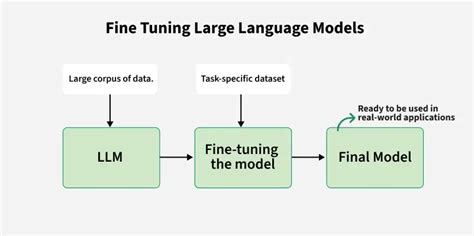
Whether you are new to open source or looking to deepen your practical coding skills, the Luke Lai Github ecosystem offers structured paths to learn by doing. You’ll find well-documented repositories, runnable examples, and community discussions that accelerate your progress.
Key Points
- Clear onboarding: Luke Lai Github repositories often include concise READMEs, license notes, and starter tasks that minimize setup friction.
- Practical focus: The projects emphasize real-world patterns you can apply in daily development work.
- Collaborative workflow: Issues, pull requests, and code reviews foster constructive learning and feedback loops.
- Well-crafted documentation: Tutorials, guides, and examples help you reproduce environments quickly.
- Sustainable learning: Maintained docs and tests create a reliable foundation for long-term skill growth.
Why Luke Lai Github Stands Out
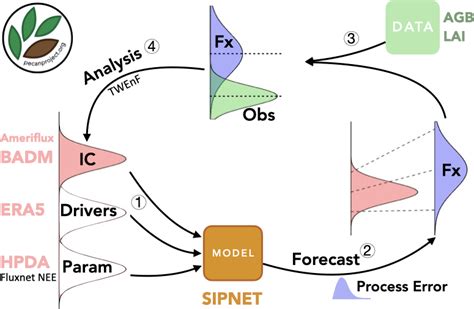
In practice, Luke Lai Github shines when you can see how concepts translate into working code. The emphasis on readable code, thoughtful directory structures, and transparent governance makes it easier to pick up new technologies and contribute with confidence. By engaging with the community, you’ll pick up best practices in version control, testing, and deployment that you can carry into your own projects.
Getting Started with Luke Lai Github
Start by identifying beginner-friendly repositories, clone the project, and skim the README to understand the goal, setup steps, and contribution guidelines. Follow along with a small issue or a starter task to gain hands-on experience quickly. As you build momentum, explore related projects to broaden your exposure to different tools and workflows under the Luke Lai Github umbrella.
What is Luke Lai Github and how can I start learning from it?
+Luke Lai Github is a curated set of repositories and learning resources designed to help developers learn through real-world code and collaborative workflows. To start, pick a beginner-friendly repo, read the README and contribution guidelines, then attempt a small, well-scoped task to get hands-on experience.
  <div class="faq-item">
      <div class="faq-question">
          <h3>How can I contribute to Luke Lai Github projects effectively?</h3>
          <span class="faq-toggle">+</span>
      </div>
      <div class="faq-answer">
          <p>Begin with small, well-scoped issues or documentation improvements. Follow the project’s contributing guide, create a clean feature or fix branch, write tests if applicable, and seek feedback via pull requests. Engage in code reviews and ask clarifying questions to learn faster.</p>
      </div>
  </div>

  <div class="faq-item">
      <div class="faq-question">
          <h3>Which repositories are best for beginners on Luke Lai Github?</h3>
          <span class="faq-toggle">+</span>
      </div>
      <div class="faq-answer">
          <p>Look for repositories labeled as beginner-friendly or with clear starter tasks. Projects that include a well-structured README, a CONTRIBUTING file, and a minimal viable example are ideal starting points to build confidence and momentum.</p>
      </div>
  </div>

  <div class="faq-item">
      <div class="faq-question">
          <h3>How can I track progress while using Luke Lai Github?</h3>
          <span class="faq-toggle">+</span>
      </div>
      <div class="faq-answer">
          <p>Keep a personal log of what you learn from each repo, note down key commands, patterns, and mistakes. Track issues you’ve opened, PRs you’ve submitted, and outcomes of reviews to visualize your improvement over time.</p>
      </div>
  </div>