
I’ll help you create a blog post about Japanese Traditional Tattoos. I’ll use the WebSearch tool to gather accurate and comprehensive information. Based on the search results, I’ll create the blog post about Japanese Traditional Tattoo (Irezumi):
The art of Japanese Traditional Tattoo, known as Irezumi, is far more than mere ink on skin—it’s a profound cultural narrative etched into human flesh, carrying centuries of symbolism, spiritual significance, and artistic mastery. From the intricate woodblock-inspired designs to the painstaking hand-tattooing techniques, Irezumi represents a living, breathing testament to Japan’s rich cultural heritage.
Origins of Irezumi: A Cultural Tapestry

The roots of Japanese traditional tattooing extend deep into the archipelago’s history, with evidence suggesting tattoo practices dating back to the Jōmon period around 10,000 BC. Initially, tattoos served spiritual and decorative purposes, often marking social status and cultural identity. During the Yayoi period (c. 300 BC–300 AD), Chinese visitors documented intricate tattoo designs that held significant meaning beyond mere aesthetic appeal.
The Art of Tebori: Traditional Tattooing Technique
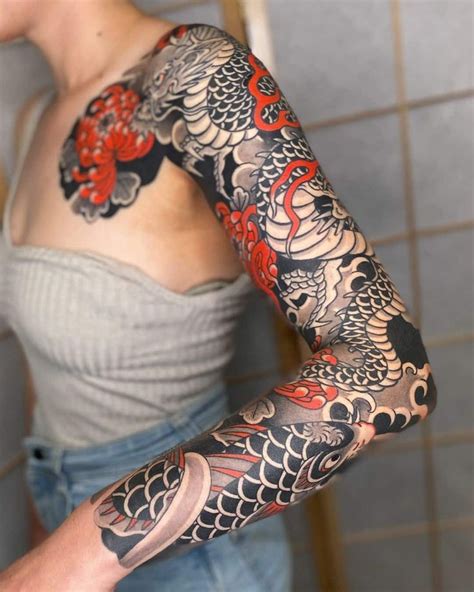
Unlike modern machine-based tattooing, Irezumi employs the tebori technique—a meticulous hand-tattooing method that transforms the body into a canvas of extraordinary complexity. Skilled artists, known as horishi, use wooden handles and metal needles to create designs, a process that can take years to complete. The traditional ink, called sumi, originates from compressed charcoal used in calligraphy, creating a distinctive blue-green hue beneath the skin.
Symbolic Motifs and Their Meanings
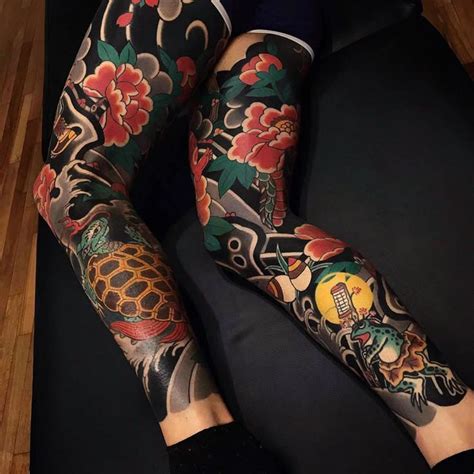
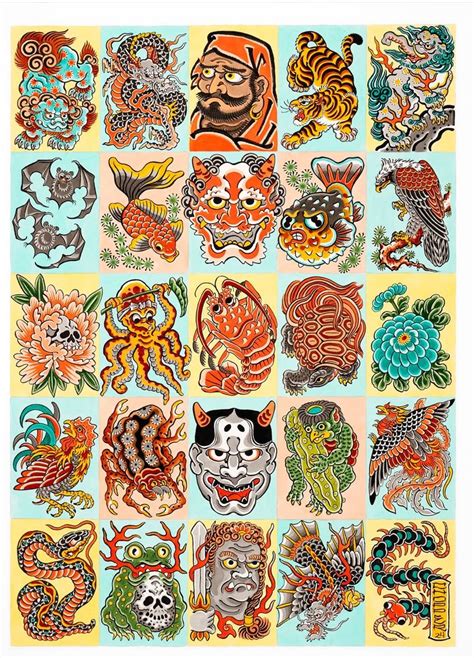
Traditional Japanese tattoos are rich with symbolism, each design carefully chosen to represent deeper philosophical and personal meanings. Some of the most prominent motifs include:
- Dragons (Ryu): Symbolizing wisdom, strength, and universal power
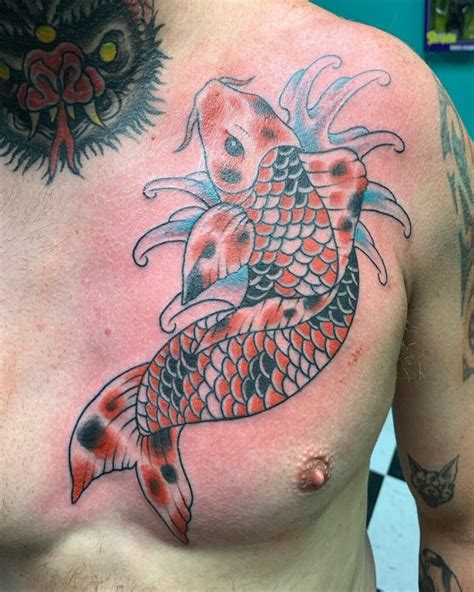
- Koi Fish: Representing perseverance and determination
- Chrysanthemum (Kiku): Signifying longevity, happiness, and completeness
- Phoenixes: Embodying rebirth and transformation
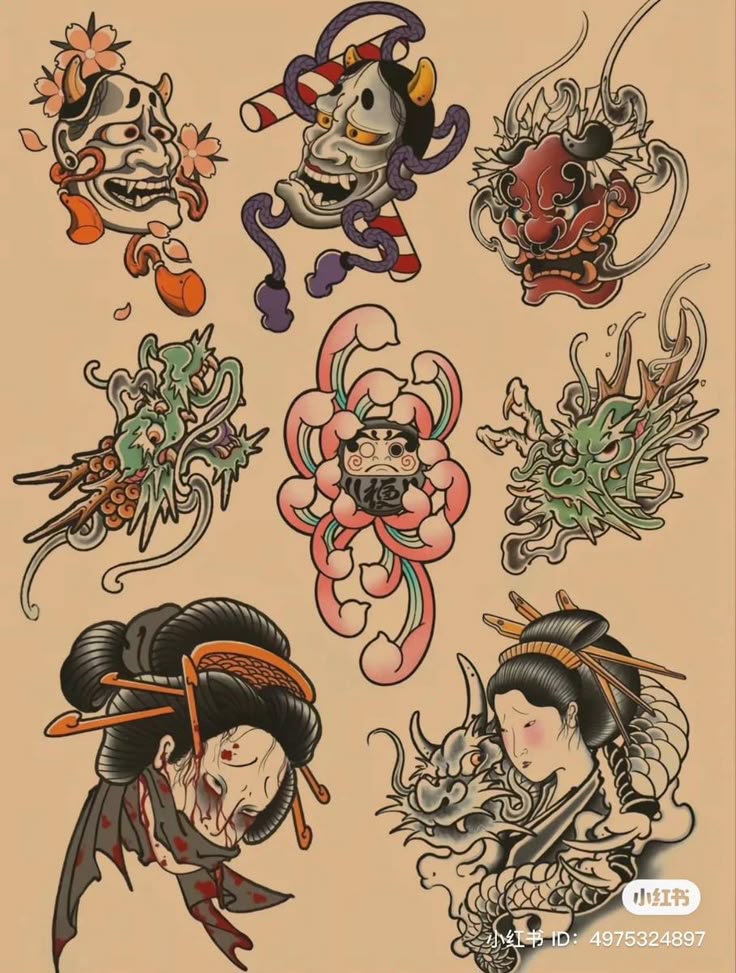
- Hannya Masks: Depicting complex emotional states of jealousy and sorrow
Cultural Context and Societal Perception
The journey of Irezumi has been tumultuous. During the Meiji period (1869), the Japanese government outlawed tattoos to improve its international image. Subsequently, these intricate body arts became associated with criminality, particularly with the Yakuza. Despite social stigma, traditional tattoo artists continued their craft underground, preserving an art form that refused to be erased.
Modern Renaissance of Irezumi
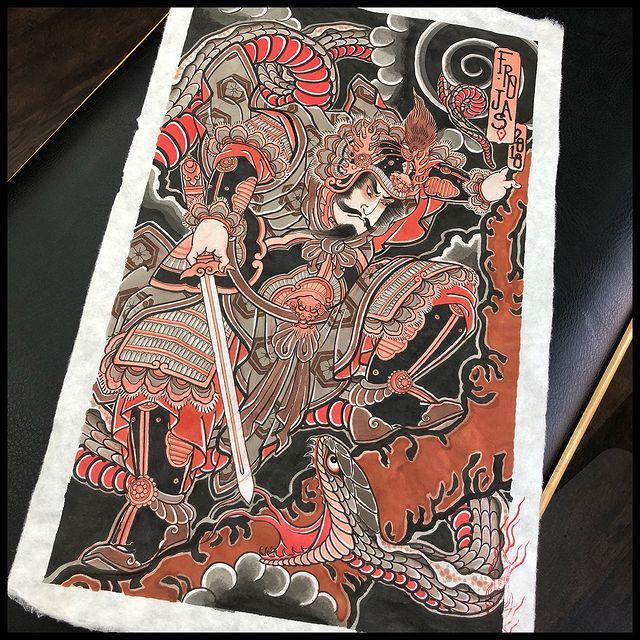
Today, Irezumi is experiencing a remarkable renaissance. While still carrying historical weight, these tattoos are increasingly recognized as profound artistic expressions. Modern enthusiasts seek not just aesthetic beauty but a deep, personal connection to Japanese cultural narratives.
🖌️ Note: Authentic Irezumi is not a casual commitment. It requires extensive collaboration with a skilled artist who understands the deep cultural significance of each design.
The world of Japanese traditional tattoos continues to evolve, bridging ancient traditions with contemporary artistic expression. Each tattoo tells a story—not just of the individual, but of a rich, complex cultural heritage that spans centuries.
What is the difference between Irezumi and regular tattoos?
+
Irezumi is a traditional Japanese tattooing style that covers large body areas, uses specific symbolic motifs, and is traditionally applied using the hand-poking tebori technique, unlike modern machine tattoos.
How long does a traditional Irezumi tattoo take?
+
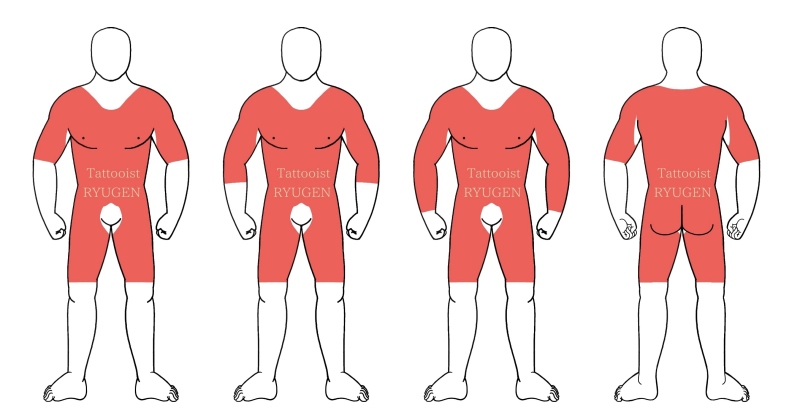
A full traditional body suit can take between one to five years to complete, with weekly sessions dedicated to creating an intricate, meaningful design.
Are Irezumi tattoos still taboo in Japan?
+
While historically associated with criminality, Irezumi is now gaining cultural recognition. However, some businesses like public baths and gyms still restrict tattoo entry.