
I’ll help you create a blog post about Bratva Tattoo using the specified guidelines. I’ll use the WebSearch tool to gather some initial information about Bratva tattoos. Based on the search results, I’ll craft a blog post about Bratva Tattoos that explores their rich cultural and historical significance:
The intricate world of Bratva tattoos represents far more than mere ink on skin—it’s a complex language of survival, hierarchy, and unwritten rules that emerged from the depths of Soviet-era criminal subculture. These tattoos are not simply decorative; they are a detailed biographical narrative etched into the flesh of those who have navigated the harsh realities of Russian prison life.
The Origins of Criminal Symbolism

In the Soviet Union, Bratva tattoos evolved as a sophisticated communication system within the criminal underworld. Each mark tells a story, revealing an individual’s status, crimes, and position within the intricate social hierarchy of imprisoned criminals. The practice became particularly prominent between the 1930s and 1950s, when the Gulag system was at its peak.
Decoding the Visual Language
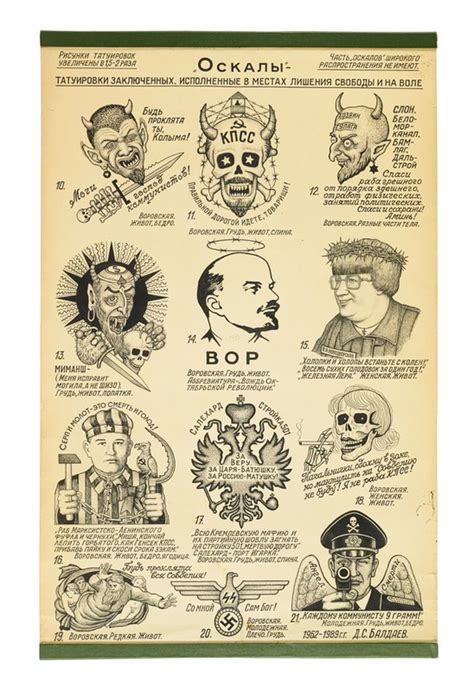
Unlike traditional tattoos, Bratva tattoos were not merely aesthetic choices but earned symbols with strict rules of acquisition. Some key elements include:
- Stars on the knees: Symbolizing that the wearer will "never get on their knees" before anyone
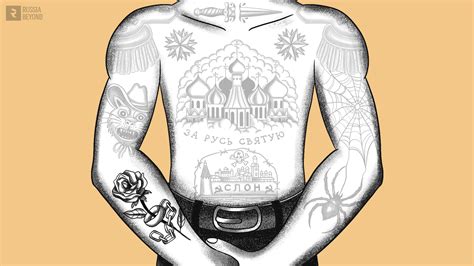
- Church or cathedral tattoos: Representing the number of prison sentences served, with each dome signifying a separate conviction
- Spider tattoos: Indicating a thief's active status, with the direction of the spider's crawl showing whether they are still engaged in criminal activities
Hierarchy and Meaning
The Bratva tattoo system was governed by the Thieves in Law, a criminal organization with complex social structures. Not just anyone could receive certain tattoos—they had to be earned through specific actions or by proving one’s status within the criminal ecosystem.
Punishment and Symbolism
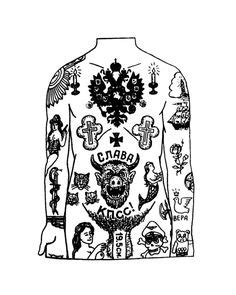
Unauthorized tattoos were severely punished. If an individual wore a tattoo they had not rightfully earned, they could face:
- Forcible removal of the tattoo
- Physical beatings
- Potential exclusion from criminal social circles
Cultural Significance

Beyond their immediate criminal context, Bratva tattoos became a form of resistance and communication. They represented a parallel society with its own strict moral code, existing in defiance of official Soviet structures.
🔍 Note: While these tattoos originated in a specific historical context, they continue to fascinate researchers and cultural historians as a unique form of visual anthropology.
Today, the rigid system of Bratva tattoos has largely dissolved, but their legacy remains a powerful testament to a complex underground culture that developed its own language of survival and identity.
What do stars on a prisoner’s knees mean?
+
Stars on the knees symbolize that the wearer will never submit or “get on their knees” before anyone, representing a strong sense of personal pride and resistance.
How were Bratva tattoos earned?
+
Tattoos were earned through specific criminal acts, serving prison sentences, or proving one’s status within the criminal hierarchy. Unauthorized tattoos were severely punished.
Are Bratva tattoos still used today?
+
While the strict historical system has largely disappeared, the cultural significance of these tattoos continues to intrigue researchers and serves as a unique form of visual storytelling.