I’ll help you create a long-form blog post about Ancient Symbols Meaning. I’ll use the WebSearch tool to gather some insights and then craft the blog post according to the specified requirements. Based on the research, I’ll craft the blog post about Ancient Symbols Meaning:
Symbols have been humanity’s universal language since time immemorial, transcending spoken words and cultural boundaries. Ancient symbols serve as powerful conduits of meaning, encoding complex spiritual, cultural, and philosophical concepts into visual representations that speak across generations. From the intricate hieroglyphs of Egypt to the mystical Celtic knots, these profound visual languages reveal deep insights into human experience and collective consciousness.
The Universal Language of Symbolic Representation
Throughout human history, symbols have functioned as more than mere decorative elements. They are cognitive tools that help societies communicate abstract ideas, spiritual beliefs, and cultural identities. Each symbol carries layers of meaning, often representing complex concepts like protection, transformation, connection, and cosmic understanding.| Symbol Type | Cultural Origin | Primary Meanings |
|---|---|---|
| Eye of Horus | Ancient Egyptian | Protection, Health, Restoration |
| Triquetra | Celtic | Life Cycle, Feminine Principles, Harmony |
| Spiral | Multiple Cultures | Eternity, Cosmic Movement, Spiritual Journey |
| Tree of Life | Celtic/Universal | Interconnectedness, Wisdom, Generational Connections |
Decoding Symbolic Complexity
Ancient symbols were not random artistic expressions but carefully constructed representations of profound philosophical and spiritual concepts. For instance, the Egyptian Eye of Horus symbolized more than visual protection—it represented healing, wholeness, and magical restoration. Similarly, Celtic symbols like the Triquetra embodied complex ideas about life stages, representing the maiden, mother, and crone.Psychological Dimensions of Symbols
Symbols operate on multiple levels of human consciousness. They serve as bridges between the conscious and subconscious, helping individuals and communities process complex emotions and experiences. The repeated use of specific symbols can foster feelings of safety, empowerment, and collective identity.Cross-Cultural Symbol Similarities
Intriguingly, many symbols share remarkable similarities across different civilizations, suggesting a universal human cognitive framework. For example: - Spiral symbols representing cosmic movement - Triangle shapes signifying divine connection - Animal representations embodying specific spiritual qualitiesSymbolic Evolution and Modern Relevance
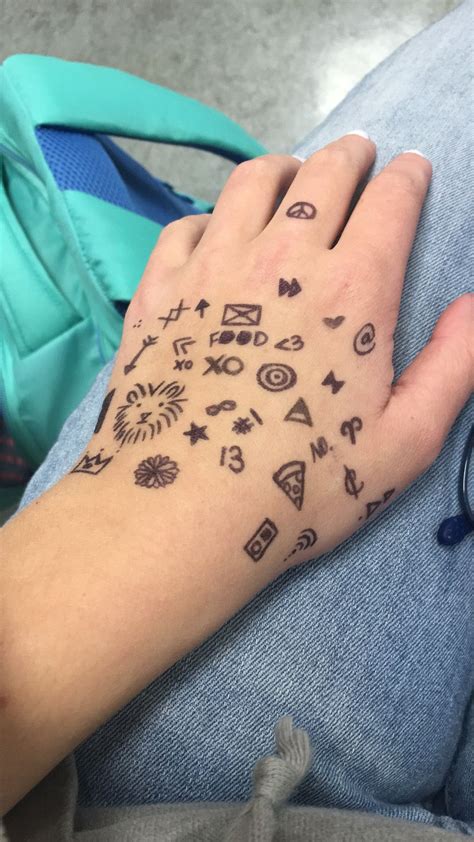
While ancient, these symbols continue to influence contemporary culture. Modern applications range from spiritual practices to artistic expressions, demonstrating their timeless significance. Tattoo art, jewelry design, and digital media frequently incorporate these ancient symbolic languages, proving their enduring appeal.🌟 Note: When interpreting ancient symbols, approach with curiosity and respect. No single interpretation is definitively absolute.
The profound beauty of ancient symbols lies in their ability to communicate complex ideas through simple, elegant visual language. They remind us that human understanding transcends verbal communication, connecting us through shared visual metaphors that speak to our collective human experience.
What Makes Ancient Symbols So Powerful?
+Ancient symbols tap into universal human experiences and emotions, representing complex concepts through simple, memorable visual representations that transcend language barriers.
Can Symbol Meanings Change Over Time?
+Yes, symbol meanings evolve with cultural, social, and spiritual shifts. For example, the Egyptian Ankh initially represented life and fertility but later symbolized eternal life and afterlife concepts.
Are Ancient Symbols Still Relevant Today?
+Absolutely! Modern culture continues to use ancient symbols in art, spirituality, design, and personal expression, demonstrating their timeless significance and universal appeal.